
Part 7 of 7 - Vitamin A, B, C, D & E Comprehensive Breakdown.
December 11, 2019 by The Complete Nutra Team
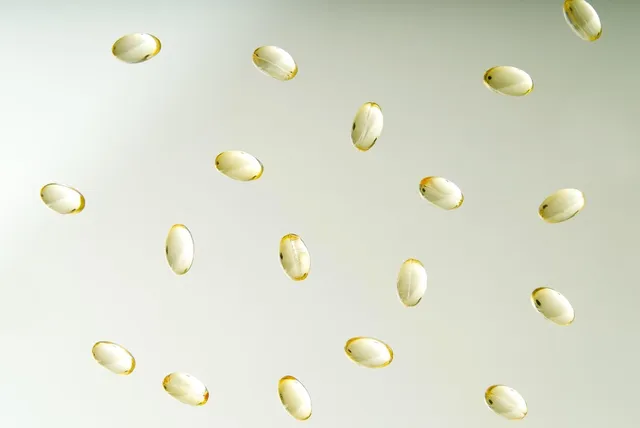
GETTING VITAMINS THROUGH FOOD
In an attempt to understand what each vitaminconsists of and how it affects the body, this chapter will outline variousvitamins and their benefits on the body.
VITAMIN A
Vitamin A is from the retinoid group that helpswith many functions of the body. This is found in many forms. The retinoid isbroken down into alcohols in the small intestine before it is digested by thebody.
Why Is Vitamin A Needed?
Vitamin A is needed for healthy vision throughretinal formation, healthy skin through retinoid formation, and gene transcriptionby retinoic acid. The recommended dose varies based on age ranging from sixhundred ULs daily for infants to 3000 ULs in lactating women between nineteenand fifty.
Where Is It Naturally Acquired?
Vitamin A is acquired naturally through liver,carrots, broccoli leaves, pumpkin, collard greens, papaya, sweet potatoes,eggs, kale, and many other foods. These foods vary in their content of vitaminA and are sometimes depleted of this source through cooking.
Potential For Toxicity
Vitamin A is very rarely toxic because it must betaken in exceptionally high doses to become toxic. In a case of an overdose,vitamin A can cause vomiting, blurred vision, headaches, muscles and abdominalpain, weakness, drowsiness, and even an altered mental status.
Prolonged exposure to high doses of vitamin A cancause hair loss, fever, insomnia, weight change, brittle fractured bones,diarrhea, and the death of mucus membranes.
VITAMIN B
The B complex vitamins are actually eight vitaminsthat often coexist. They are all involved in cell metabolism. This group ofvitamins includes thiamine, riboflavin, niacin, pantothentic acid, pyridoxine,biotin, folic acid, and cyanocobalamin.
Why Is Vitamin B Needed?
Vitamin B plays a vital role in controllingmetabolism and increasing and supporting its rate It also helps in keeping theskin healthy, creating healthy muscle tone, encouraging cell division and cellgrowth, reducing the risk of some cancers, and enhancing the immune system aswell as the nervous system.
Where Is It NaturallyAcquired?
Vitamin B can be found in a variety of foodsources, such as potatoes, chile peppers, liver oil, tuna, yeast, vegemite, andbananas. Each food contains a different level of vitamin B, and therefore doesnot contain equal content of B complex vitamins.
Potential For Toxicity
In the rare case that Vitamin B is overdosed andtoxicity occurs, some symptoms include numbness in the extremities, depression,low blood pressure, fatigue, hyperthyroid, migraines, heart palpitations,cramps, and much more.
With prolonged exposure, these symptomssignificantly increase and can become detrimental to health and well being.Vitamin B only becomes toxic when it is taken many times above the recommendedlevel, so illness can be avoided simply by following the recommended dosages.
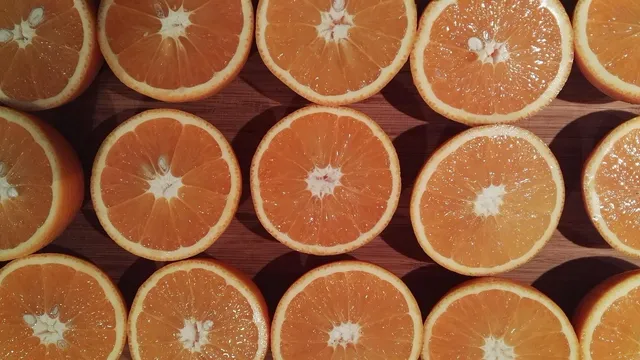
VITAMIN C
Vitamin C is an essential nutrient that is found inmost mammals. It is also known as L-ascorbate. It is still unclear how muchVitamin C is needed in the body to keep a person at optimal health. This numberis being debated between specialists, some of whom believe adding extra Vitamin C to the body is quitehelpful. Others feel that it has no affect.
Why Is Vitamin C Needed?
Vitamin C is a vital part of immune functioning. Itis also essential in the healing of wounds and the strengthening of teeth. It’s important to receive the recommendeddaily dose of Vitamin C in an attempt to fight off germs and viruses. Vitamin Chelps to protect the body from many intruders by building the white blood cellsin the immune system and readying them to fight off bacteria.
Where Is It Naturally Acquired?
Vitamin C perhaps the worst vitamin to try toingest naturally through cooked foods. Most processes of food preparationdestroy the natural vitamin C that foods have naturally within them. When foodis prepared in a vitamin C conscious way however, it can be found in milk,liver, oysters, lamb, pork, and cod. Vitamin C can also be found naturally in fruits and vegetables such asgrapefruit, raspberry, oranges, plums, pear, lettuce, eggplant, broccoli,parsley, and red pepper.
Potential For Toxicity
Vitamin C is very difficult to overdose on becausethe amount of Vitamin C needed to consume to overdose is so high that mostindividuals would find it quite hard to consume. Signs of an overdose would beiron poisoning, kidney stones, diarrhea, and other flu-like symptoms.
As is the case with all vitamins, Vitamin C shouldonly be taken as directed and within the recommended daily dose. While somebelieve that taking a mega dose of vitamin C to eliminate a cold is a greatcure, scientifically, it has been proven that this does not work, and is evenlikely to cause illness.
VITAMIN D
Vitamin D is a prohormone that is used to maintainthe organ system. There are two types of vitamin D, ergocalciferol andcholecalciferol, which is produced in the skin when exposed to sunshine.
Why Is Vitamin D Needed?
Vitamin D helps in a number of ways. It affects theimmune system by acting as an anti-tumor agent. It inhibits the parathyroidhormone, and regulates the amount of calcium and phosphorus levels in the bloodstream. Without the adequate amount of Vitamin D in the body, a person candevelop a number of problems, such as rickets or osteomalacia.
WhereIs It Naturally Acquired?
Sunlight is a great source of creating Vitamin D,however it is also found in milk, bread, margarine, butter, oil, yogurt,herring, catfish, salmon, eel, tuna, and sardines. The most important aspect ofacquiring Vitamin D naturally is by making sure you get enough sunshine,because unless you spend a lot of time outdoors, normal day to day exposure tothe sun is not sufficient for healthy Vitamin D creation.
Potential For Toxicity
One is not at risk for Vitamin D overdose byprolonged sun exposure, only by consuming it naturally through foods, or insupplement form. Signs of Vitamin D toxicity include itchiness, increased urine production, renal failure, weakness,nervousness, nausea, and vomiting. If a Vitamin D toxicity is suspected, it isquite important to seek medical attention and discuss this concern with adoctor.
VITAMIN E
Vitamin E is a fat-soluble vitamin with propertiesof antioxidants. It is broken down into eight groups of tocopherals andtocotrienols. Vitamin E is essential to the body, and research is currentlybeing conducted that seems to show it is beneficial in both preventing coronaryheart disease and treating cancer. Vitamin E can be found naturally in the environment or taken insupplement form, where gel caps are readily available.
Why Is Vitamin E Needed?
Vitamin E is needed to regulate a lot of the body’snatural symptoms. Some people are more prone to needing extra vitamin E, suchas infants with low birth weights. There are even some genetic conditions thatcause a depletion of vitamin E, requiring increased vitamin E consumption.
Where Is It Naturally Acquired?
Vitamin Ecan be acquired naturally from a variety of good sources. Wheat germ, almonds,asparagus, avocado, seeds, olives, and nuts are only a few of the many sourcesof Vitamin E.
Potential For Toxicity
Though a vitamin E overdose is almost unheard of,it is thought by some experts that an exceptionally high dose of Vitamin Ecould cause bleeding. The FDA has not set a limit to the recommended dose ofvitamin E because no side effects have been proven.
*These statements have not been evaluated by the Food and Drug Administration. CompleteNutra products are not intended to diagnose, treat, cure, or prevent any disease. Please discuss all specific medical conditions and advice with your healthcare provider.

Call Us 24hrs :